Top Tips for Instant Oil Changes - Quick Oil Change Tips for Maximum Engine Performance
Performing an instant oil change is a critical maintenance task that safeguards your engine’s longevity and performance. I have honed my approach to quick oil changes through years of experience, and I am confident that following these top tips will help you execute the process efficiently and effectively. Whether you manage a fleet or maintain your personal vehicle, mastering instant oil changes ensures your engine runs smoothly and reliably.
Essential Quick Oil Change Tips for Every Vehicle Owner
Speed and precision define a successful instant oil change. First, always prepare your workspace meticulously. Use a flat, stable surface and gather all necessary tools before you begin. This includes the correct oil filter, the right grade of oil, a wrench, a drain pan, and gloves. Preparation eliminates delays and prevents mistakes.
Next, warm up the engine for a few minutes. Warm oil drains faster and more completely, removing more contaminants. However, avoid overheating, which can cause burns or damage. Once warmed, securely lift the vehicle using a jack and stands if needed, ensuring safety is paramount.
Drain the old oil by removing the drain plug carefully. Allow the oil to flow out completely. Replace the drain plug with a new washer to prevent leaks. Then, remove the old oil filter using an oil filter wrench. Lubricate the rubber seal of the new filter with fresh oil before installation. This ensures a tight seal and prevents leaks.
Finally, refill the engine with the recommended amount and type of oil. Use a funnel to avoid spills. After filling, check the oil level with the dipstick and adjust as necessary. Start the engine and inspect for leaks around the drain plug and filter. This methodical approach guarantees a thorough and rapid oil change.
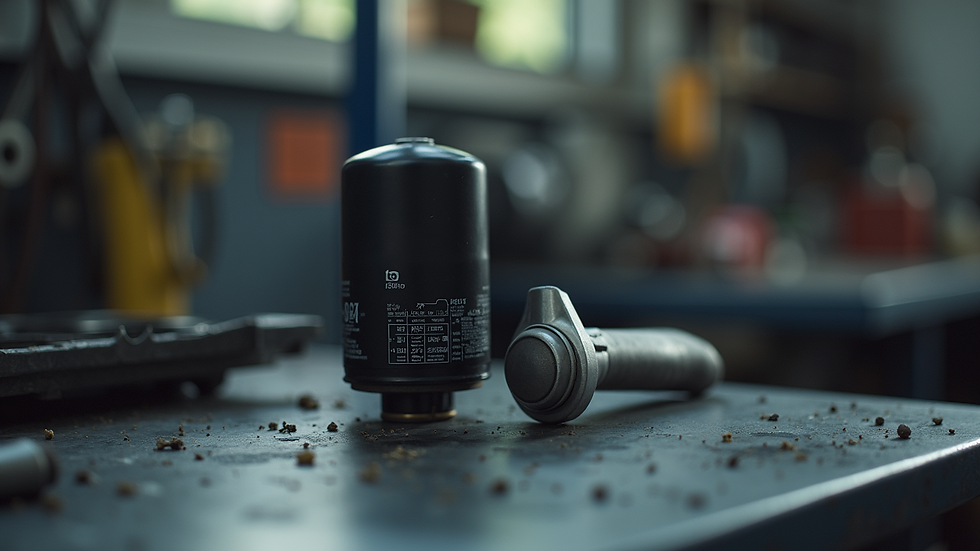
Why Speed and Accuracy Matter in Quick Oil Change Tips
Time is valuable, but rushing compromises quality. I emphasize the balance between speed and accuracy. A quick oil change is not just about fast execution; it is about doing it right the first time. Skipping steps or using incorrect parts can lead to engine damage or costly repairs.
Use high-quality synthetic oils that meet or exceed manufacturer specifications. Synthetic oils provide superior lubrication, resist breakdown, and extend oil change intervals. This choice aligns with the goal of maximizing engine life and performance.
Always dispose of used oil responsibly. Collect it in a sealed container and take it to a certified recycling center. This practice protects the environment and complies with regulations.
By following these quick oil change tips, you maintain your vehicle’s health and avoid unnecessary downtime. Precision and care during the process pay dividends in engine reliability.
What is lubrication in tribology?
Lubrication is the science of reducing friction and wear between moving surfaces by introducing a lubricant. In tribology, lubrication plays a pivotal role in protecting engine components from damage caused by metal-to-metal contact. Proper lubrication minimizes heat generation, prevents corrosion, and enhances mechanical efficiency.
Choosing the right lubricant involves understanding the operating conditions, such as temperature, load, and speed. High-performance synthetic oils, like those offered by Tribology Lubes, provide consistent viscosity and superior film strength under extreme conditions. This ensures continuous protection and optimal engine function.
Regular oil changes replenish the lubricant’s protective properties, removing contaminants and degraded oil. This maintenance step is essential to uphold the principles of tribology and extend engine life.

How to Choose the Right Oil and Filter for Instant Oil Changes
Selecting the correct oil and filter is non-negotiable for a successful instant oil change. Consult your vehicle’s owner manual for the recommended oil viscosity and specifications. Using the wrong oil can impair engine performance and increase wear.
Opt for high-quality oil filters designed to trap contaminants effectively without restricting oil flow. Filters with synthetic media offer enhanced filtration and durability. Replace the filter every oil change to maintain clean oil circulation.
When purchasing oil, consider synthetic blends or full synthetic oils for superior protection. These oils resist oxidation and maintain viscosity longer than conventional oils. This choice supports longer intervals between oil changes and better engine health.
Always verify the filter’s compatibility with your engine model. Installing an incorrect filter can cause leaks or poor filtration, negating the benefits of an instant oil change.
Maximizing Efficiency with Professional Tools and Techniques
Efficiency in instant oil changes comes from using the right tools and techniques. Invest in a quality oil drain pan with a large capacity and a spout for easy disposal. Use a torque wrench to tighten the drain plug and filter to manufacturer specifications. Over-tightening can damage threads; under-tightening causes leaks.
Consider using a quick oil change pump or vacuum extractor for vehicles with difficult access points. These tools reduce mess and speed up the draining process.
Maintain a clean work area to prevent contamination. Wipe down the oil fill cap and surrounding areas before opening. This prevents dirt from entering the engine.
Finally, keep a maintenance log. Record the date, mileage, oil type, and filter used. This practice helps track service intervals and identify potential issues early.
For those seeking expert-grade products and guidance, I recommend exploring tribology lubes -- instant oil change solutions. Their synthetic lubricants and personalized advice elevate your oil change routine to professional standards.
Maintaining Engine Health Beyond the Oil Change
An instant oil change is a vital step, but engine health depends on comprehensive care. Regularly inspect other fluids such as coolant, brake fluid, and transmission fluid. Check belts, hoses, and air filters for wear and replace as needed.
Monitor engine performance indicators like unusual noises, smoke, or warning lights. Address issues promptly to prevent costly repairs.
Adopt a proactive maintenance schedule. Combine oil changes with other routine services to optimize vehicle uptime and performance.
By integrating these practices with quick oil change tips, you ensure your engine operates at peak efficiency and reliability for years to come.


Comments