The Surprising Benefits of Slightly Dirty Engine Air Filters Over Brand New Ones
When it comes to vehicle maintenance, most drivers assume that a brand new, clean engine air filter is always the best choice. After all, fresh filters are designed to keep dirt and debris out of the engine, ensuring optimal performance. But recent insights reveal that slightly dirty engine air filters can actually offer some unexpected advantages over brand new ones. This post explores why a lightly used air filter might be better for your engine, focusing on airflow measured in cubic feet per minute (CFM) and its impact on engine efficiency.
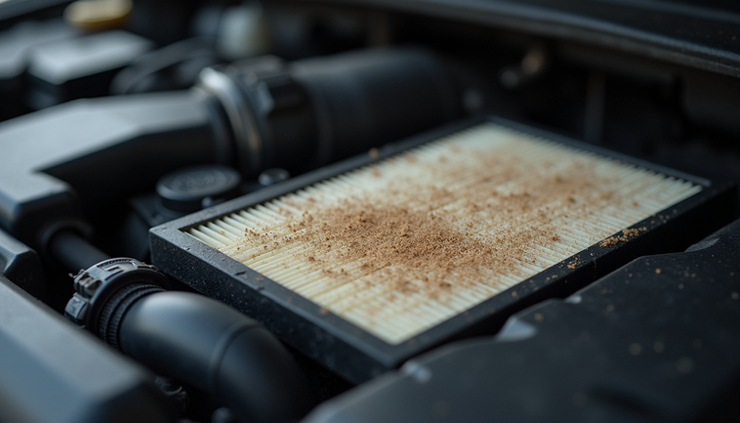
How Engine Air Filters Work and Why Airflow Matters
Engine air filters trap dust, dirt, pollen, and other particles from entering the engine’s combustion chamber. Clean air is essential for efficient fuel combustion, which directly affects power output, fuel economy, and emissions. The filter’s job is to balance two key factors:
Filtration efficiency: How well it blocks harmful particles
Airflow capacity: How much air it allows to pass through, measured in cubic feet per minute (CFM)
CFM is critical because engines need a steady supply of air to mix with fuel for combustion. If airflow is restricted, the engine struggles to breathe, leading to reduced power and higher fuel consumption.
Understanding CFM and Its Role in Engine Health
CFM measures how much air flows through the filter per minute. Engines need a specific CFM range to operate efficiently. Too low, and the engine starves for air; too high, and unfiltered particles may enter.
Slightly dirty filters often hit a sweet spot by allowing slightly higher CFM than brand new filters without compromising filtration too much. This balance supports better combustion and engine longevity.
Why Brand New Filters May Not Always Be Best
New filters are designed to provide maximum filtration, which often means they have very fine fibers and dense layers. While this blocks nearly all particles, it can also reduce airflow, especially in high-performance or older engines that rely on a certain volume of air.
A brand new filter can sometimes cause:
Lower CFM: The dense material restricts air, reducing the volume entering the engine
Reduced engine responsiveness: Less air means the engine can’t produce as much power quickly
Potential fuel inefficiency: The engine compensates for restricted air by burning more fuel
In contrast, a slightly dirty filter has trapped some particles but still allows more air to flow through compared to a brand new filter. This can create a better balance between filtration and airflow.
The Benefits of Slightly Dirty Engine Air Filters
Improved Airflow and Engine Performance
As a filter collects dust, its fibers can settle or shift slightly, creating tiny channels that allow air to pass more freely. This can increase the CFM compared to a brand new filter, which is tightly packed.
For example, in some tests, slightly used filters showed a 5-10% increase in airflow compared to fresh filters. This boost helps the engine breathe better, improving throttle response and overall performance.
Enhanced Fuel Efficiency
Better airflow means the engine receives the right amount of oxygen to burn fuel more efficiently. When the air supply is restricted, the engine may inject extra fuel to compensate, leading to wasted fuel and higher emissions.
A slightly dirty filter can help maintain a more balanced air-fuel mixture, potentially improving miles per gallon (MPG) by a small but noticeable margin.
Extended Filter Life and Cost Savings
Using a slightly dirty filter longer before replacement can save money and reduce waste. Since the filter still performs well in terms of airflow and filtration, there is no urgent need to replace it immediately after it starts collecting dust.
This approach also reduces the environmental impact by minimizing the number of filters discarded.
When to Replace Your Engine Air Filter
While slightly dirty filters have benefits, it’s important to know when a filter becomes too dirty. Over time, accumulated dirt will clog the filter, drastically reducing airflow and harming engine performance.
Signs you need a new filter include:
Noticeable drop in engine power or acceleration
Decreased fuel economy
Black smoke from the exhaust
Visible dirt buildup on the filter surface
Regular inspection every 12,000 to 15,000 miles or as recommended by your vehicle manufacturer helps maintain the right balance.
Practical Tips for Maintaining Your Engine Air Filter
Check the filter visually: Look for excessive dirt or damage
Use a vacuum or compressed air: Lightly clean reusable filters to extend life
Follow manufacturer guidelines: Some filters are designed for longer use or cleaning
Consider driving conditions: Dusty or off-road environments require more frequent checks


Comments